Copenhagen · Roskilde
Roskilde: the monarchs’ cathedral and Viking ships
A full day west of Copenhagen links Roskilde Cathedral, the burial church of Danish monarchs, with five ships raised from the fjord.
- Part of town
- Roskilde
- Give it
- a full day
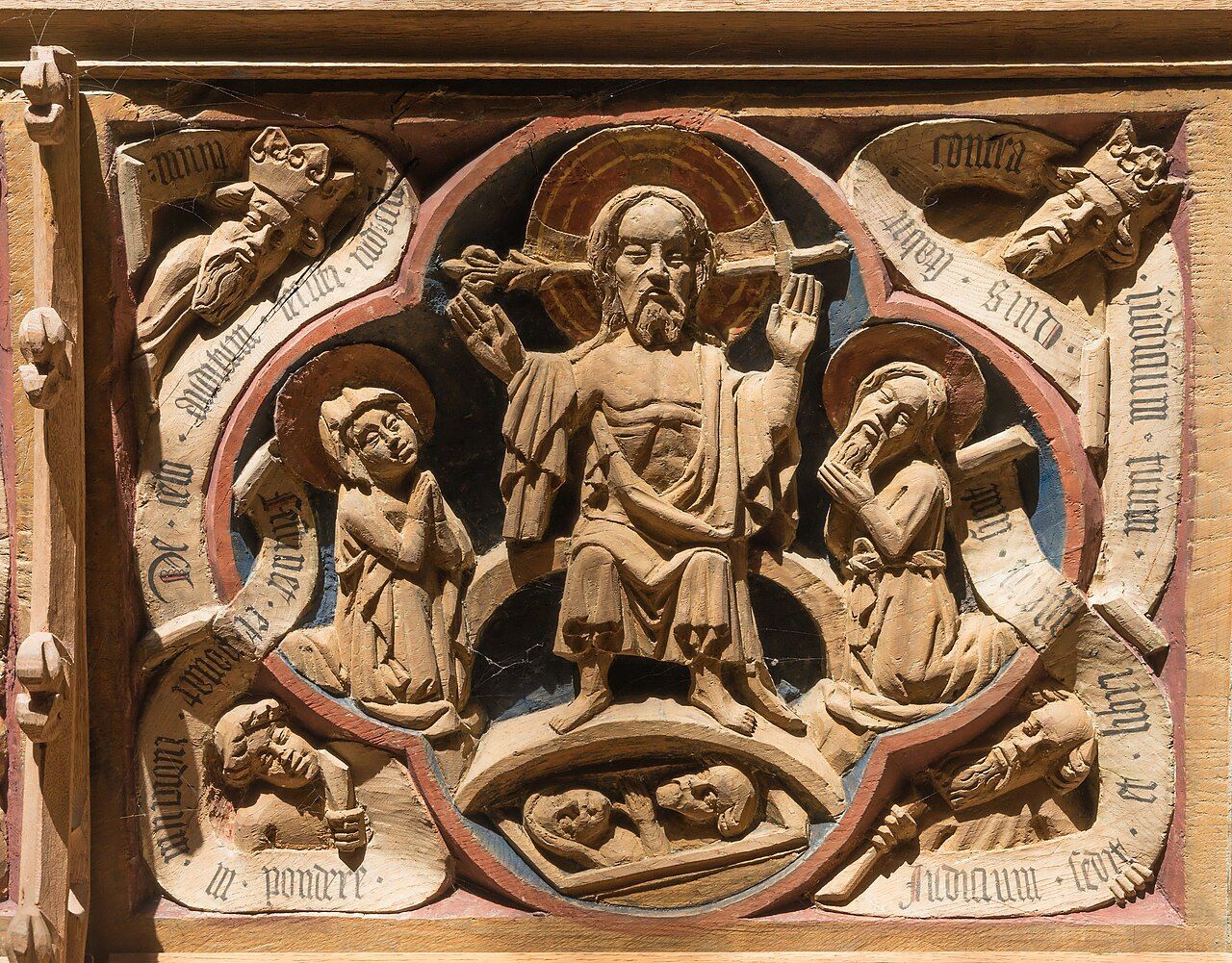
Roskilde is a day trip west of Copenhagen, with two main stops: the cathedral where Danish monarchs are buried and the ships raised from the fjord. Trains from Copenhagen Central reach Roskilde in about 25 minutes. From there, the cathedral and the Viking ships make a day with a clear route between them.
Roskilde Cathedral is the burial church of the Danish monarchs. About 40 kings and queens are buried there. That number gives the building its particular place in the day: it is not only a church, but the resting place of a long line of Danish rulers.
The cathedral is one of the first big Gothic churches built of brick. Its construction spans the 12th and 13th centuries, a detail that makes its material part of the story as much as its royal role. The building brings together the scale of a major church and the history of the monarchy.
UNESCO listed Roskilde Cathedral in 1995. The listing sits beside the more direct fact of its purpose: this is where Danish kings and queens are buried. Between the building’s age, its brick construction and those burials, the cathedral carries several layers of history without needing a long detour from the day’s route.
For a Copenhagen meal, there is rye bread and herring to keep in mind; in Roskilde, the focus shifts from the city to the cathedral and fjord.
The Viking Ship Museum shows five ships that were sunk on purpose around 1070 to block Roskilde Fjord. The ships were raised in 1962. Their story runs from deliberate obstruction in the fjord to a museum display, with the same five vessels connecting those two parts of the account.
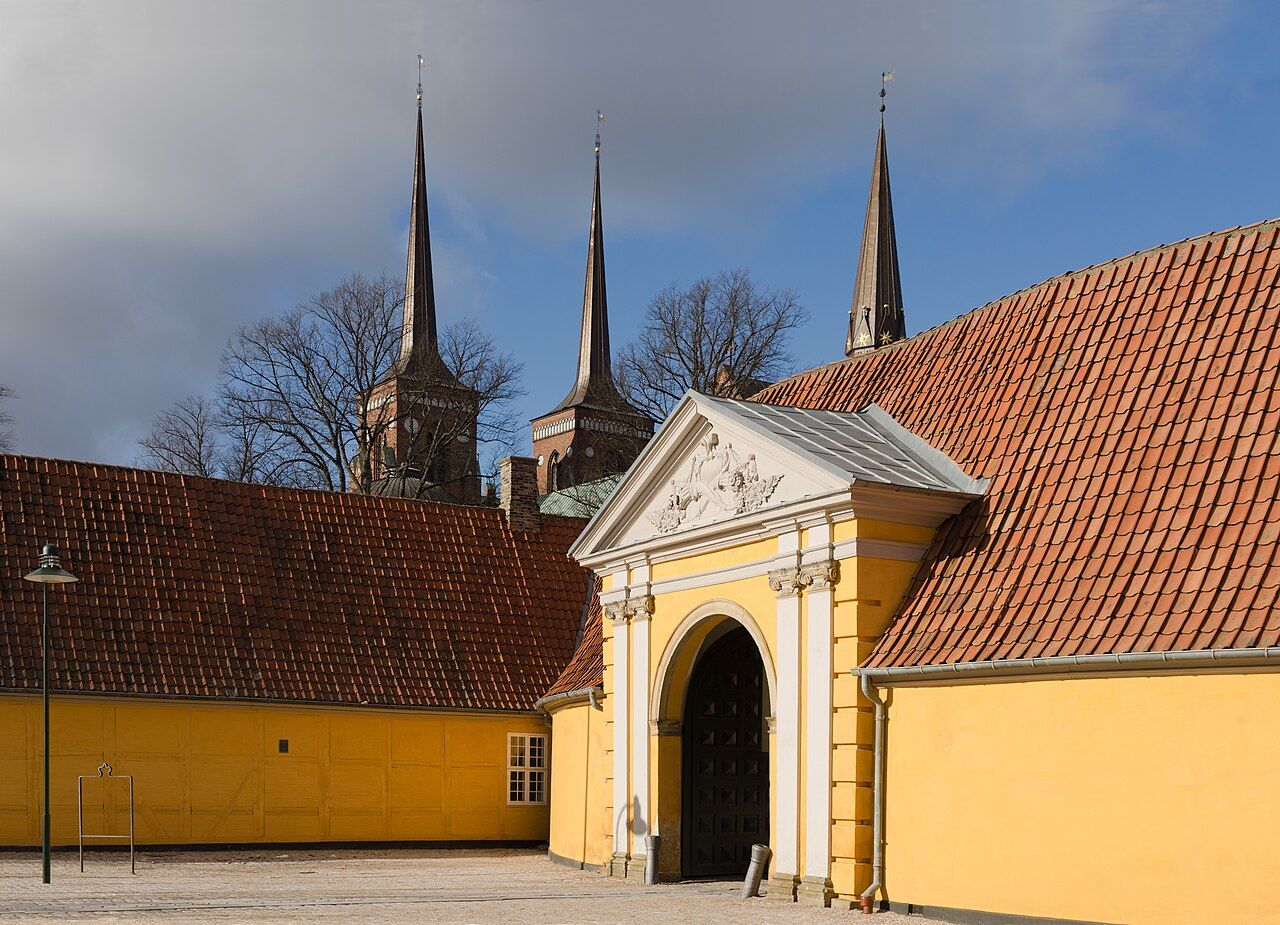

There is a useful contrast between the cathedral and the ships. One is the burial church of Danish monarchs, whose brick Gothic construction began in the 12th century and continued into the 13th. The other group was sunk around 1070 to block the fjord. Both places make the past concrete in different ways: one through its royal burials and architecture, the other through ships brought up from the water.
Copies of Viking ships are built in the museum’s boatyard and sailed from its harbor in summer. The museum’s story therefore includes both the five raised ships and copies made there. The boatyard and harbor extend the subject beyond the recovered vessels, while keeping the focus on ships and the fjord.
Next on our list: A Day on a Rented Bike in Copenhagen
The cathedral and museum are a 20-minute walk apart, downhill to the fjord. That walk joins the two parts of the day without needing another leg of transport: first the royal burial church, then the ships and their connection to Roskilde Fjord. The route is simple to hold in mind, even as the subjects shift from monarchs to vessels sunk on purpose.
Roskilde works as a full day out from Copenhagen. The train journey takes about 25 minutes, and the cathedral and museum are joined by a 20-minute downhill walk to the fjord. At the cathedral are about 40 kings and queens; at the museum are the five ships raised in 1962. The day ends at the fjord, with the ships’ original purpose still part of what they show.